Sinharaja Forest Reserve
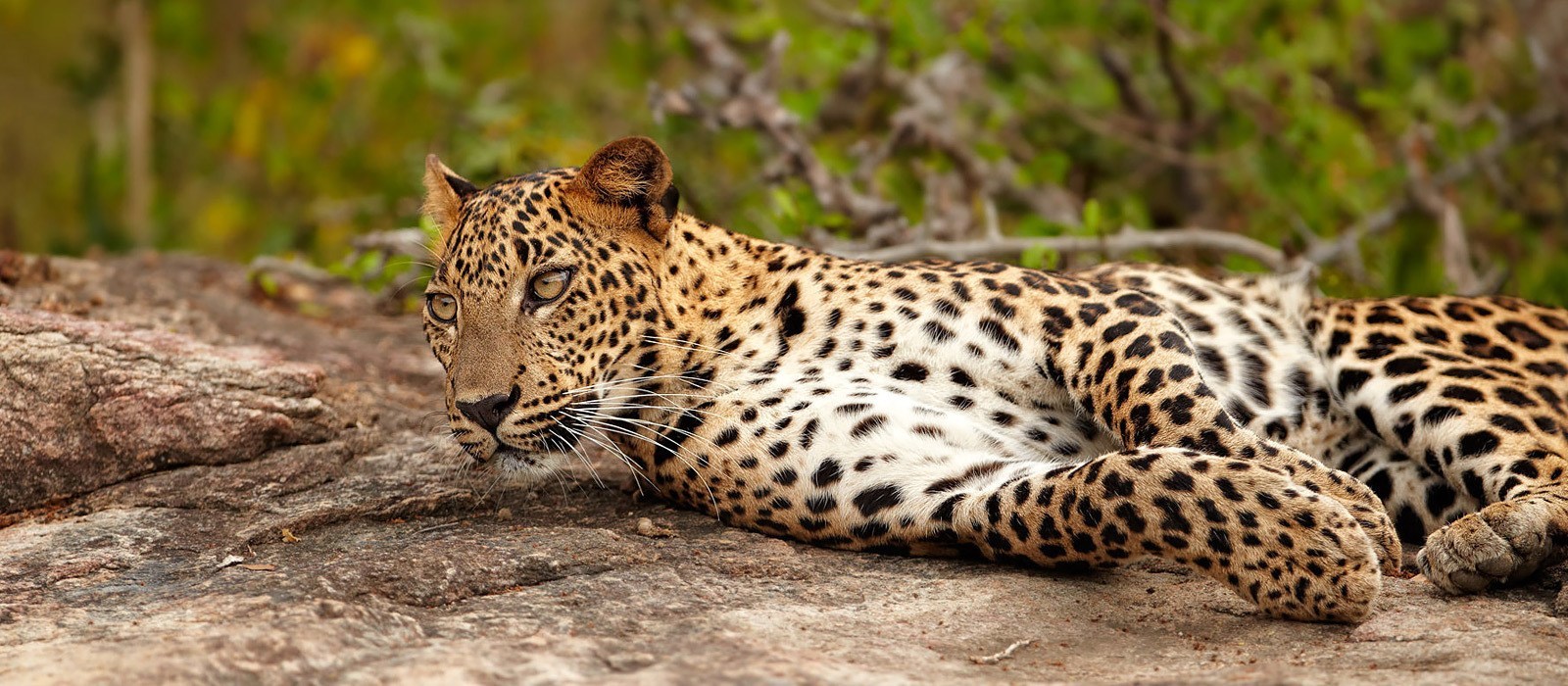
 Wildlife



About Sinharaja Forest Reserve
A UNESCO-listed primary lowland rainforest in Sri Lanka, boasting astonishing biodiversity, mixed-species bird flocks, and rare endemic species.
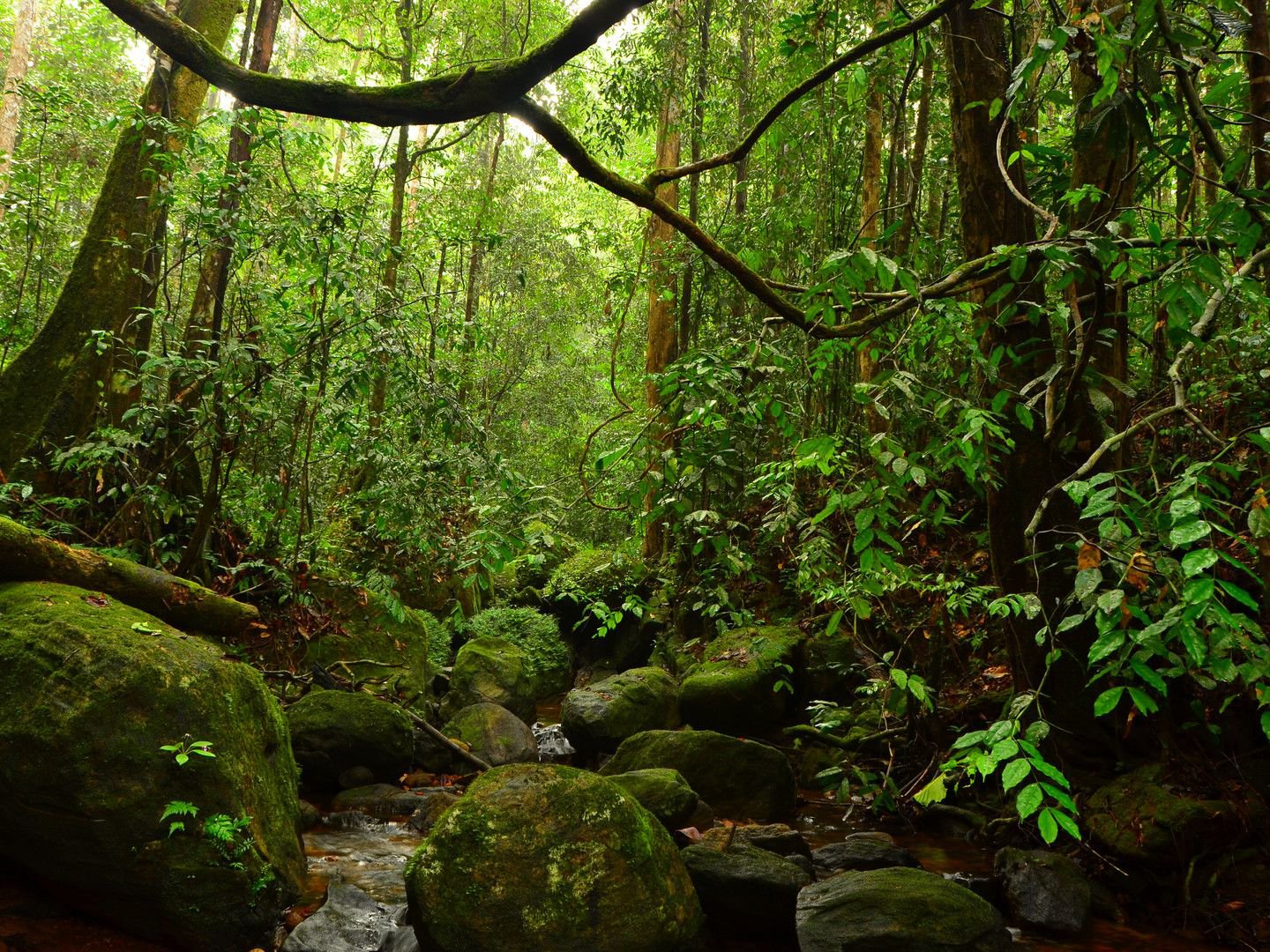
Spanning over 11,000 hectares across the rugged hills of the southwestern wet zone, the Sinharaja Forest Reserve is Sri Lanka's last remaining viable tract of primary tropical lowland rainforest. Recognized by UNESCO as both a Biosphere Reserve in 1978 and a World Heritage Site in 1988, Sinharaja—translating to the 'Kingdom of the Lion'—is a living ecological relic of the ancient supercontinent Gondwana. The reserve's soaring, dense canopy reaches heights of up to 45 meters, dominated by towering dipterocarp hardwood trees that intercept moisture-laden monsoon trade winds, feeding a vital labyrinth of crystal-clear mountain streams, mossy ravines, and perennial tributaries of the Kalu Ganga and Gin Ganga basins.
Sinharaja is globally celebrated as an evolutionary sanctuary of extraordinary endemism. Over 60% of its native tree species are found nowhere else on Earth, alongside an astounding proportion of Sri Lanka's endemic fauna. The forest is internationally famous for its dynamic 'mixed-species bird feeding flocks'—an intricate avian cooperative behavior where up to 40 distinct species move simultaneously through the canopy. Led by the vociferous Sri Lanka crested drongo and the babbling orange-billed babbler, these flocks frequently include the dazzling Sri Lanka blue magpie, the elusive red-faced malkoha, the Malabar trogon, and the Sri Lanka hanging parrot. On the forest floor and among moss-draped branches, hikers encounter jewel-toned green pit vipers, endemic hump-nosed lizards, giant tree snails, and troops of endangered western purple-faced langurs leaping across the sub-canopy.
Trekking into Sinharaja is a deeply immersive sensory odyssey through primeval wilderness. Setting out from the popular northern Kudawa entrance near Kalawana or the southern Pitadeniya gate near Deniyaya, well-marked jungle trails weave across ancient buttress root systems, beneath gigantic ferns, and alongside serene cascades like Kakuna Ella. Whether ascending toward the panoramic rocky prominence of Moulawella or embarking on the challenging 14-kilometer expedition to the iconic summit of Sinhagala (Lion Rock), visitors are embraced by an acoustic symphony of bubbling rapids, chirping cicadas, and exotic birdcalls, making Sinharaja the undisputed crown jewel of Sri Lanka's natural heritage.
What to expect
Highlights
- Trek through a UNESCO World Heritage primary tropical rainforest sheltering over 60% of Sri Lanka's endemic flora and fauna.
- Witness world-renowned mixed-species bird waves featuring the vibrant Sri Lanka blue magpie and red-faced malkoha.
- Ascend the adventurous trail to the peak of Sinhagala (Lion Rock) for sweeping 360-degree vistas over the unbroken rainforest canopy.
- Discover hidden natural waterfalls and swim in pristine forest plunge pools, including the scenic Kakuna Ella cascade.
- Spot rare endemic reptiles, amphibians, and butterflies including the hump-nosed lizard, green pit viper, and Ceylon birdwing.
- Explore ancient buttress roots, wild pitcher plants, medicinal woody lianas, and towering dipterocarp trees along shaded nature walks.
Traveler reviews
Ratings and experiences from visitors
No traveler reviews written yet for Sinharaja Forest Reserve.
Traveler photos
Photos of this destination
Questions & answers
What is the dress code and footwear recommendation?
Wear lightweight, moisture-wicking outdoor trekking clothes in neutral earthy colors (olive green, khaki, or brown). Sturdy hiking boots or trail shoes with deep traction are indispensable for navigating damp roots and slick stones. Knee-length leech socks are strongly recommended to ensure comfort along forest paths.
What is the entry ticket fee for foreigners and locals?
Department of Forest Conservation entrance tickets are approximately 12 to 15 USD (around 3,500 to 4,500 LKR) for foreign adults and 150 LKR for local citizens. In addition, visitors must hire a licensed forest guide at the visitor center, which typically costs between 3,500 to 6,000 LKR depending on trail duration.
Which entrance gate is best for international travelers?
The Kudawa entrance (near Kalawana, accessible via Ratnapura) is the most popular and easiest gateway for day-trippers from Colombo, offering premier birdwatching and well-established short circuits. The Pitadeniya/Deniyaya entrance in the south is closer to southern coastal beach resorts and features dramatic waterfall hikes.
How long does a typical visit take?
A standard guided nature walk lasts between 3 to 4 hours covering easy to moderate circular trails (approx. 5 to 7 km). However, adventurous treks to Sinhagala or full-day birding expeditions can extend from 6 to 8 hours.
Are cameras and photography permitted?
Yes, personal nature and wildlife photography is warmly permitted throughout the reserve. Using a telephoto lens (300mm+) with good low-light capability and carrying a microfiber cloth or dry bag are essential for shooting under dense, humid canopies. Commercial drone flights are strictly prohibited without specialized ministerial permits.