Panduwasnuwara
 Ancient Sites


About Panduwasnuwara
A sprawling 12th-century moated citadel and monastic complex built by King Parakramabahu I, steeped in the legend of Princess Unmada Chitra.
Spread across a tranquil, tree-shaded expanse along the Chilaw–Wariyapola highway in the Kurunegala District, the ancient city of Panduwasnuwara (historically known as Parakramapura) is the largest and most fascinating archaeological reserve in Sri Lanka's North Western Province. In local folklore, the site is romantically linked to the 5th-century BCE King Panduvasdeva and his mesmerizing daughter, Princess Unmada Chitra, who was supposedly confined within a single-pillar tower (Ek-tem-ge) here after court astrologers prophesied her son would slay his uncles to claim the throne. While systematic excavations begun in 1947 revealed that the visible brick structures actually date to the 12th century CE, archaeologist Senarath Paranavitana identified the city as Parakramapura—the grand regional capital of the principality of Dakkhinadesa built by King Parakramabahu the Great before he unified the island and moved his seat to Polonnaruwa.
At the heart of the archaeological park lies the moated Royal Citadel, enclosed by formidable brick ramparts measuring 375 meters by 286 meters. Passing through the eastern gateway reveals the brick foundations and colonnaded halls of King Parakramabahu's royal palace, which served as the architectural prototype for his later seven-story palace in Polonnaruwa. Directly inside the complex, visitors can examine remarkably preserved medieval engineering, including an Audience Hall, inner courtyards, and sophisticated stone-and-terracotta sanitary lavatory pits. Just east of the palace stands the enigmatic 'Chakrawala Kotte' (Circular Rampart)—a 90-meter-wide earthen ring enclosing a raised central platform that folklore celebrates as Unmada Chitra's tower, though historians believe it symbolized King Parakramabahu's universal sovereignty.
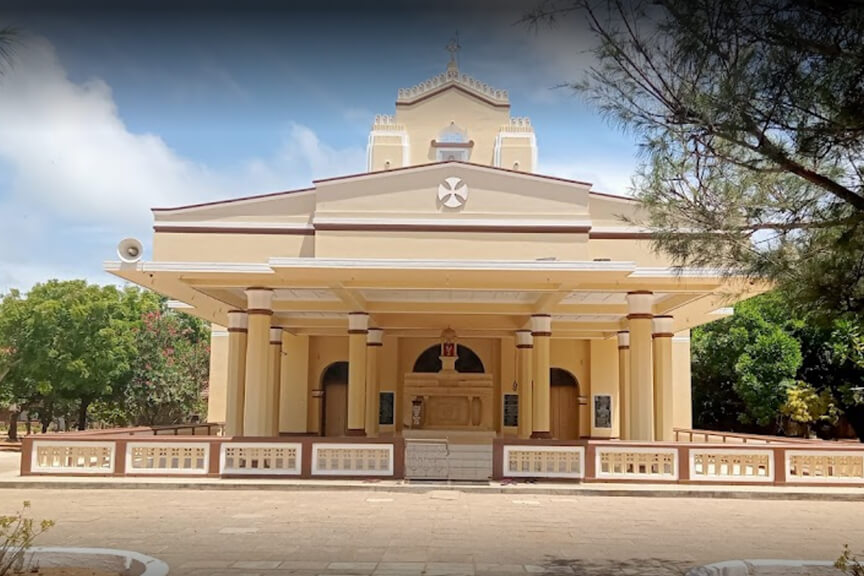
Surrounding the royal enclosure are seven distinct monastic clusters dotted with red-brick stupas, image houses (Pilimage), Bodhigharas, and stone slab inscriptions left by King Nissankamalla and Tamil military commanders. Adjacent to the ruins sits the active Panduwasnuwara Rajamaha Viharaya, famed for its Kandyan-era Tempita Viharaya (shrine room elevated on stone pillars) and a historic Dalada Maligawa shrine that briefly housed the Sacred Tooth Relic during the 13th-century Dambadeniya period. Near the main highway entrance, the Panduwasnuwara Archaeological Museum displays a rich trove of bronze statues, terracotta figurines, ancient coins, and surgical instruments unearthed across the citadel.
What to expect
Highlights
- The 12th-century Royal Palace and Citadel of King Parakramabahu I, surrounded by an intact brick rampart and deep defensive moat.
- The mysterious Chakrawala Kotte (Circular Rampart), famously known in folklore as the 'Ek-tem-ge' prison tower of Princess Unmada Chitra.
- The historic Panduwasnuwara Rajamaha Viharaya featuring a Kandyan-style Tempita Viharaya (pillar-mounted shrine) and medieval Tooth Relic temple.
- Seven scattered monastic ruin complexes showcasing ancient brick stupas, Vatadage platforms, moonstones, and a rare Tamil slab inscription.
- The Panduwasnuwara Archaeological Museum displaying 12th-century bronze icons, coins of King Dharmasokadeva, pottery, and antique jewelry.
- The scenic Panda Wewa reservoir bordering the northern ruins, one of the earliest man-made irrigation tanks in Sri Lanka.
Traveler reviews
Ratings and experiences from visitors
No traveler reviews written yet for Panduwasnuwara.
Traveler photos
Photos of this destination
Questions & answers
What is the dress code or entrance etiquette?
Visitors must dress modestly with both shoulders and knees covered (no shorts, short skirts, or sleeveless tops) because the archaeological park encompasses sacred stupas and the active Panduwasnuwara Rajamaha Viharaya. Shoes and hats must be removed when entering temple shrines or climbing onto raised stupa platforms.
What is the entry ticket fee for foreigners and locals?
Exploring the outdoor archaeological ruins, moated palace, and Rajamaha Viharaya is free of charge for both locals and foreign tourists. The Panduwasnuwara Archaeological Museum by the main road charges a nominal ticket fee (around LKR 50 for locals and LKR 500 for foreigners) and is closed on Tuesdays.
How long does a typical visit take?
A thorough visit takes between 1.5 to 2.5 hours to walk through the Royal Palace citadel, the Circular Rampart (Ek-tem-ge), the surrounding monastic stupas, the Rajamaha Viharaya, and the archaeological museum.
Are cameras and photography permitted?
Photography is freely permitted across all outdoor palace ruins, stupas, and the circular rampart. However, photography is strictly prohibited inside the Panduwasnuwara Archaeological Museum galleries, and visitors must never pose with their backs turned toward Buddha statues inside the temple.
Is there any hiking difficulty or strenuous walking involved?
There is no steep climbing or hiking required, as the entire ancient city sits on flat lowland terrain. However, the site covers a wide grassy area with uneven brick steps, so comfortable walking sandals and sun protection are essential.