Wilpattu National Park
 Wildlife


About Wilpattu National Park
Sri Lanka's oldest and largest national park, famed for its natural 'Willu' lakes, elusive leopards, and sloth bears.
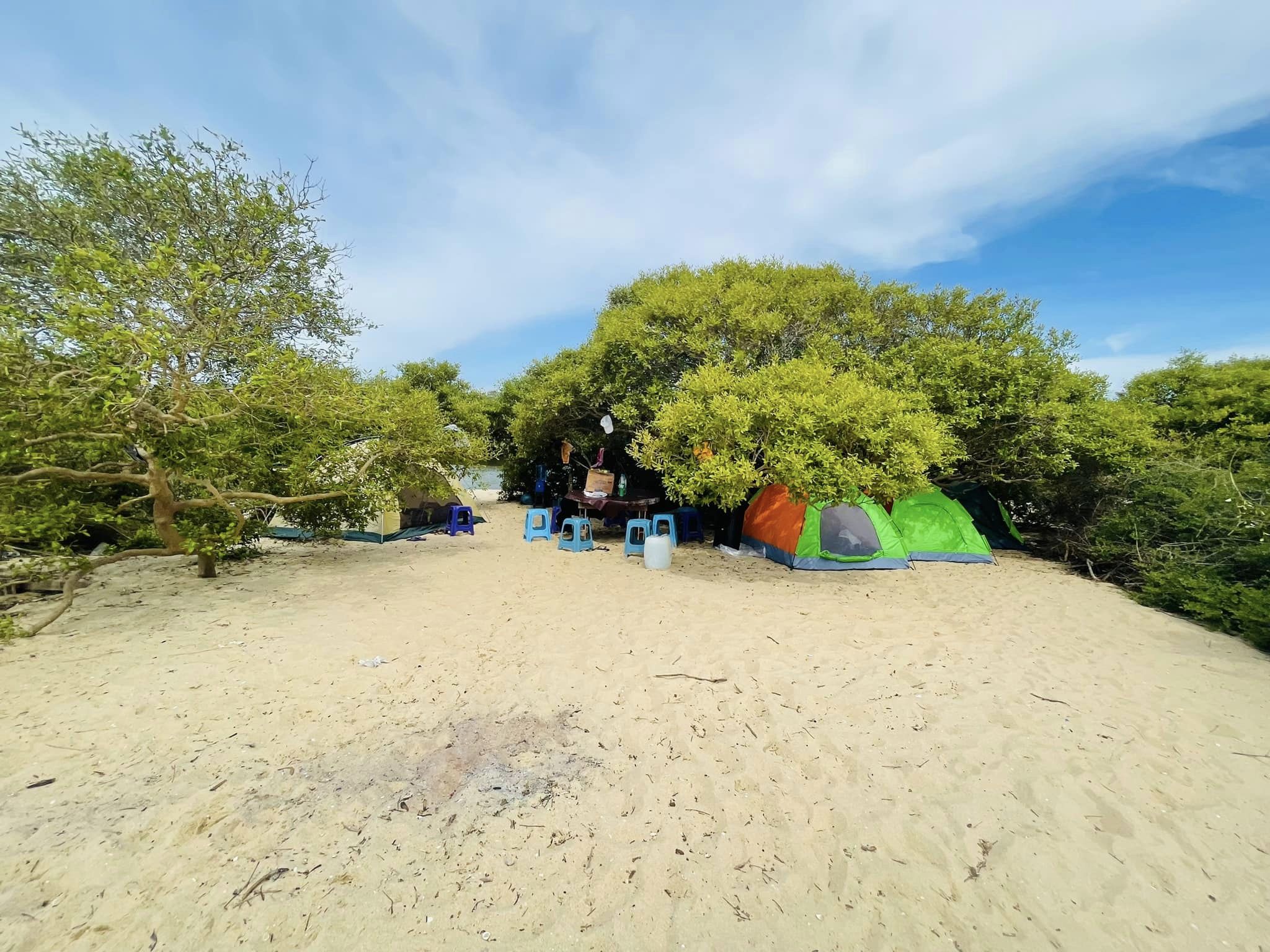
Spanning an immense 131,693 hectares across the dry zone lowlands of Sri Lanka's northwest coast, Wilpattu National Park is both the largest and one of the oldest wildlife reserves on the island. Originally designated a sanctuary in 1905 and upgraded to National Park status on February 25, 1938, its name translates to the 'Land of Lakes.' The park's defining geological feature is its network of nearly sixty natural, rain-fed sand-rimmed water basins known locally as 'Willus.' Surrounded by dense scrub jungle, towering monsoon forests, and coastal copper-sand cliffs at Kudiramalai, these tranquil waterbodies act as vital magnets for wildlife throughout the dry season.
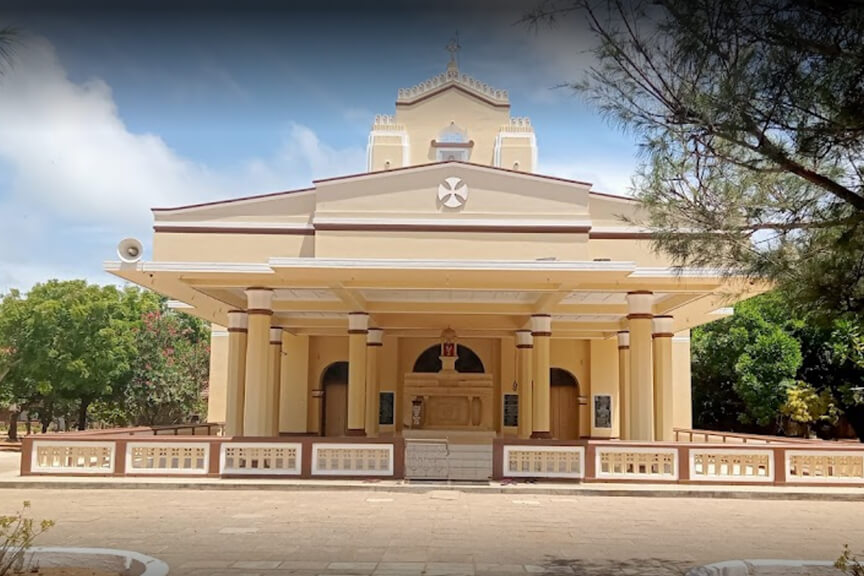
Beyond its ecological majesty, Wilpattu is steeped in ancient Sri Lankan legend and maritime history. According to the Mahavamsa chronicle, it was at Tambapanni—along the park's western shoreline at Kudiramalai Point—that Prince Vijaya landed in 543 BCE and met the indigenous Yakkhini queen Kuveni, founding the Sinhalese nation. Scattered deep within the forest canopy lie the weathered ruins of Kuveni's Palace (Kali Villu), ancient monastic caves inscribed with early Brahmi script, and remnants of prehistoric settlements.
Exploring Wilpattu in an open-top 4x4 safari jeep offers a remarkably serene and uncrowded wilderness experience compared to the busier southern parks. As your tracker navigates the sandy red-earth tracks linking one shimmering Willu to the next, you have a front-row seat to observe the apex Sri Lankan leopard (Panthera pardus kotiya) lounging on low palu tree branches, shaggy sloth bears foraging for fallen berries, herds of Asian elephants bathing in the shallows, and flocks of painted storks, Malabar pied hornbills, and crested serpent eagles.
What to expect
Highlights
- Over 50 natural sand-rimmed rainwater lakes ('Willus') such as Kali Villu, Kokkare Villu, and Mahapatessa that attract diverse wildlife.
- World-class sightings of the endemic Sri Lankan leopard and the elusive, berry-loving Sri Lankan sloth bear.
- The ancient stone pillars and archaeological ruins of Kuveni's Palace nestled deep inside the forest near Kali Villu.
- Copper-red sea cliffs and historic coastal viewpoints at Kudiramalai Point and Tambapanni overlooking the Indian Ocean.
- Thriving populations of Asian elephants, mugger crocodiles, spotted deer, sambar, and water buffalo.
- Over 200 resident and migratory bird species, including the Sri Lanka junglefowl, painted stork, and white-bellied sea eagle.
Traveler reviews
Ratings and experiences from visitors
No traveler reviews written yet for Wilpattu National Park.
Traveler photos
Photos of this destination
Questions & answers
What is the dress code or entrance etiquette?
There is no religious dress code, but visitors should wear lightweight, breathable clothing in muted earth tones (khaki, olive green, beige) to blend into the bush. Avoid bright white or neon colors, bring a hat and sunglasses, and strictly remain seated inside your safari vehicle unless at an authorized rest area.
What is the entry ticket fee for foreigners and locals?
Department of Wildlife Conservation (DWC) base entry tickets are $25 USD for foreign adults ($20 USD for SAARC nationals) and LKR 150 for Sri Lankan citizens, plus a $10 USD per-group service charge, vehicle entry fee, and 18% VAT (totaling roughly $35–$45 USD per person depending on group size). Hiring a private 4x4 safari jeep costs an additional $45 to $75 USD per half-day.
How long does a typical visit take?
A half-day morning or afternoon safari takes 4 to 4.5 hours. However, because Hunuwilgama Gate is located several kilometers from the core Willu zone, dedicated wildlife enthusiasts strongly prefer a full-day safari lasting 10 to 12 hours (6:00 AM to 6:00 PM).
Are cameras and photography permitted?
Handheld DSLR/mirrorless cameras, long telephoto lenses, and smartphones are freely permitted at no extra cost for personal use. Flash photography is strictly prohibited as it startles wildlife, and operating drones inside the national park is illegal without special DWC and defense permits.
Is there any hiking difficulty or walking involved?
No walking or hiking is permitted inside Wilpattu National Park due to the presence of wild elephants, leopards, and sloth bears. The entire experience takes place aboard a 4x4 safari jeep, though the unpaved forest tracks can be bumpy and dusty.