Kalpitiya Peninsula
 Beaches


About Kalpitiya Peninsula
A wild coastal peninsula and chain of 14 islands famed for world-class lagoon kitesurfing, massive spinner dolphin pods, and Bar Reef.
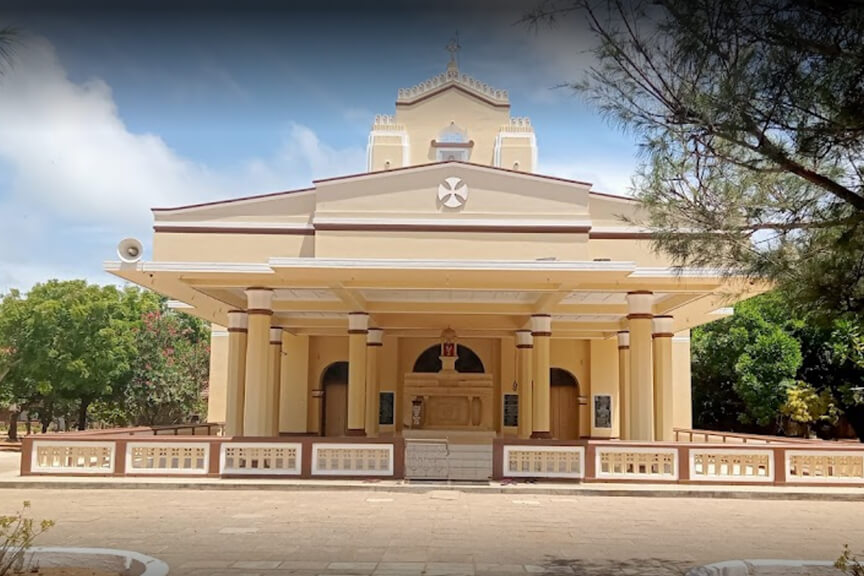
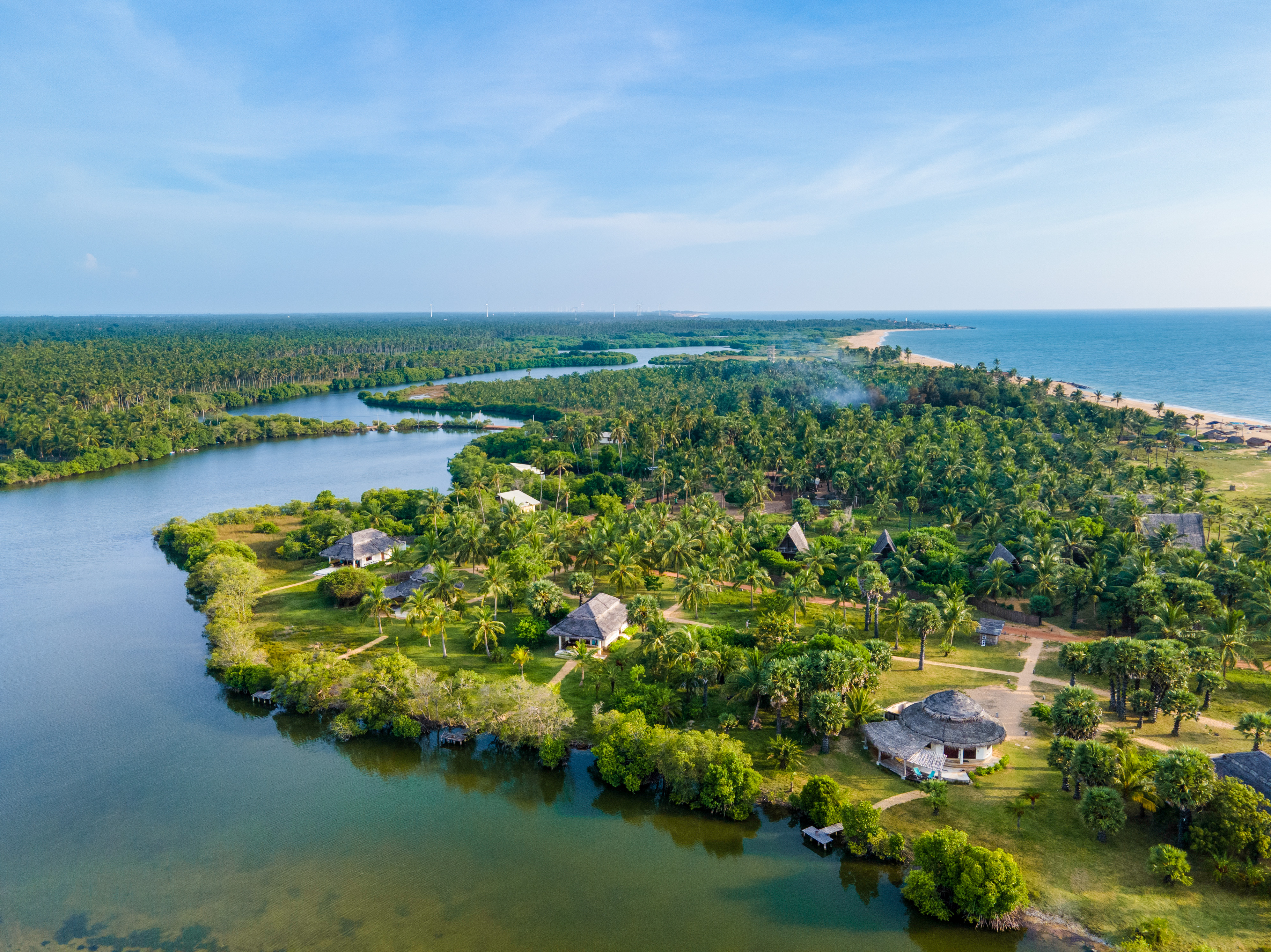
Stretching roughly 45 kilometers northward into the Indian Ocean to separate the vast Puttalam Lagoon from the open sea, the Kalpitiya Peninsula is an untamed coastal frontier in Sri Lanka's North Western Province. Comprising a narrow ribbon of sun-bleached sand dunes, salt pans, coconut groves, and a chain of fourteen idyllic islands, this semi-arid region was historically a strategic maritime trading post known to ancient Arab merchants—whose legacy still lives on in the wild Mannar donkeys that roam freely through the dusty village lanes and coastal scrub. In the 17th century, the Dutch East India Company fortified the harbor to monopolize the cinnamon and areca nut trade, leaving behind the remarkably intact 1676 Kalpitiya Dutch Fort and the 1706 St. Peter's Dutch Reformed Church.
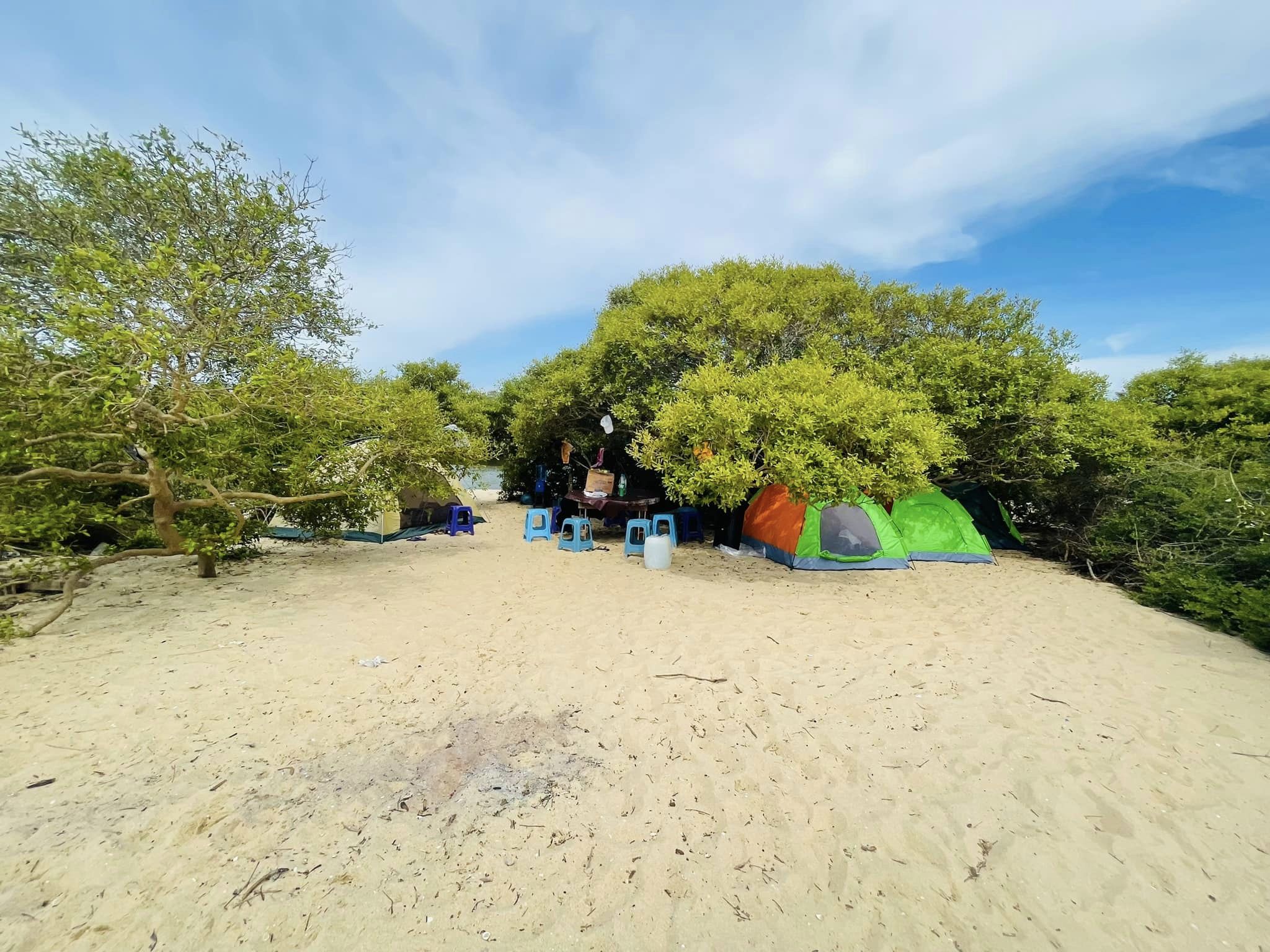
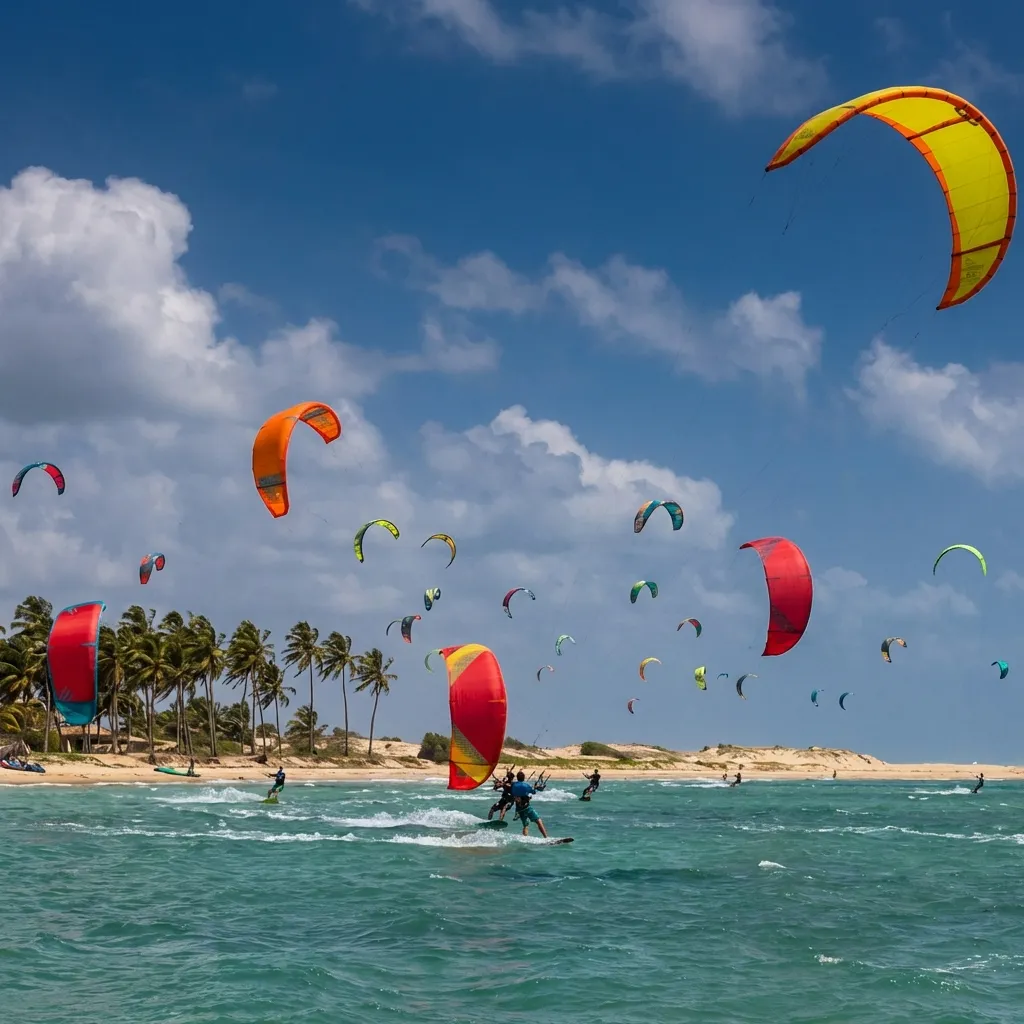
In recent years, Kalpitiya has evolved from a sleepy fishing community into South Asia's premier kitesurfing capital. Between May and October, relentless southwest monsoon winds sweep across the shallow, mirror-flat waters of the Kalpitiya and Kappalady lagoons, creating an extraordinary playground for both complete beginners and professional freestyle riders. Along the western coastline at Kudawa and Alankuda beaches, rustic palm-thatched eco-camps and IKO-certified kite schools welcome adventurers from around the globe.
When the winds calm between November and April, the calm deep-ocean trench just off the peninsula transforms into one of the world's finest cetacean habitats. Early morning boat expeditions regularly encounter super-pods of hundreds—and sometimes thousands—of acrobatic spinner dolphins leaping alongside the bow, as well as migrating sperm and blue whales further offshore. Just north of the peninsula lies the Bar Reef Marine Sanctuary, covering 307 square kilometers of shallow coral gardens teeming with reef sharks, manta rays, sea turtles, and vibrant tropical fish.
What to expect
Highlights
- World-class flat-water kitesurfing and windsurfing across Kalpitiya Lagoon, Kappalady Lagoon, and Vella Island.
- Sunrise ocean boat safaris to witness super-pods of up to 1,000 playful spinner dolphins and seasonal sperm whales.
- Snorkeling and scuba diving at Bar Reef Marine Sanctuary, Sri Lanka's largest protected coral reef ecosystem.
- Historical exploration of the 17th-century Kalpitiya Dutch Fort (1676) and the colonial Dutch Reformed Church (1706).
- Scenic off-road dune buggy rides, cycling trails, and encounters with free-roaming wild donkeys along the peninsula.
- Boat excursions to remote northern sandbars like Uchchamunai and Baththalangunduwa Island, plus quick overland access to Wilpattu National Park.
Traveler reviews
Ratings and experiences from visitors
No traveler reviews written yet for Kalpitiya Peninsula.
Traveler photos
Photos of this destination
Questions & answers
What is the dress code or entrance etiquette?
Beachwear and swimwear are welcome at beachfront eco-resorts and kitesurfing lagoons. However, Kalpitiya is home to traditional fishing villages, churches, and mosques, so visitors should wear modest clothing covering shoulders and knees when walking through Kalpitiya town or visiting the Dutch Fort and St. Peter's Church.
What is the entry ticket fee for foreigners and locals?
Accessing the peninsula beaches, lagoons, and the Dutch Reformed Church is free. For marine activities, shared or private 3-hour dolphin-watching boat trips cost roughly $30 to $50 USD per person (plus Department of Wildlife Conservation marine sanctuary permits of around $15–$20 USD for foreigners), while kitesurfing lessons average $50 to $75 USD per hour.
How long does a typical visit take?
Because Kalpitiya is a coastal region located about 3.5 to 4 hours north of Colombo, travelers typically stay for 2 to 4 days to combine early morning dolphin watching, Bar Reef snorkeling, lagoon kitesurfing, and a half-day safari to nearby Wilpattu National Park.
Are cameras and photography permitted?
Yes, waterproof action cameras (like GoPros), DSLR cameras, and smartphones are freely permitted on the beaches, lagoons, and dolphin boats. However, flying drones near the historic Kalpitiya Dutch Fort is strictly prohibited as it currently functions as an active Sri Lanka Navy base.
Can visitors enter the Kalpitiya Dutch Fort?
Yes, visitors can tour the historic 1676 Dutch Fort ramparts and interior buildings free of charge, though because the compound is maintained by the Sri Lanka Navy, you must register with your passport or NIC at the front guardroom to be accompanied by a naval officer.