Naguleswaram Temple
 Religious Places
About Naguleswaram Temple
One of Sri Lanka's five ancient Pancha Ishwaram Shiva temples, famed for millennia of sacred lore and seaside mineral springs in Keerimalai.
Perched on the northern shoreline of the Jaffna Peninsula overlooking the azure waters of the Palk Strait, the Keerimalai Naguleswaram Temple (Naguleswaram Shiva Kovil) stands as one of the most venerable and sanctified Hindu shrines in Sri Lanka. It is celebrated as one of the island's legendary Pancha Ishwarams—five ancient coastal abodes dedicated to Lord Shiva that were established in antiquity to protect the island. Steeped in millennia of sacred history, the shrine is traditionally associated with Sage Nagula Muni, an ancient ascetic whose facial deformity was miraculously cured after bathing in the adjacent Keerimalai mineral springs, and the 8th-century Chola princess Maruthapura Veeravalli, who rebuilt the temple in gratitude for her own miraculous healing.
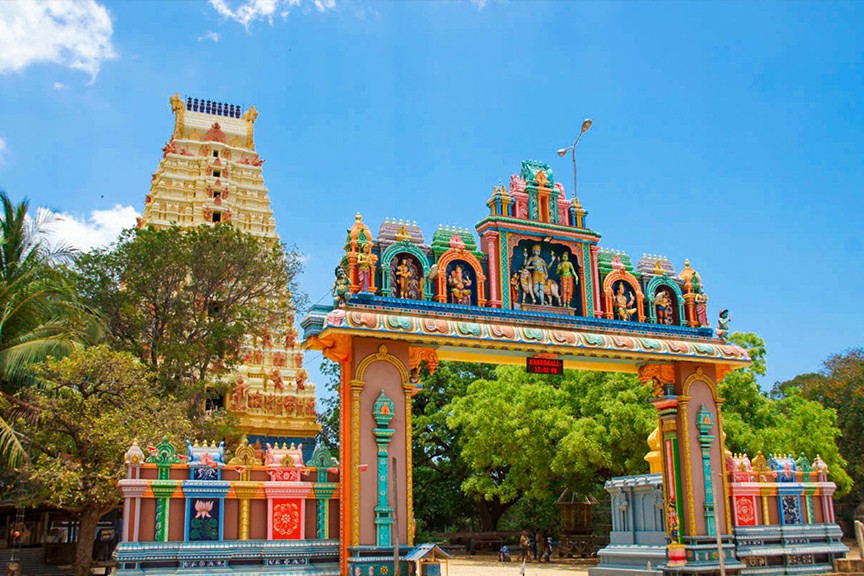
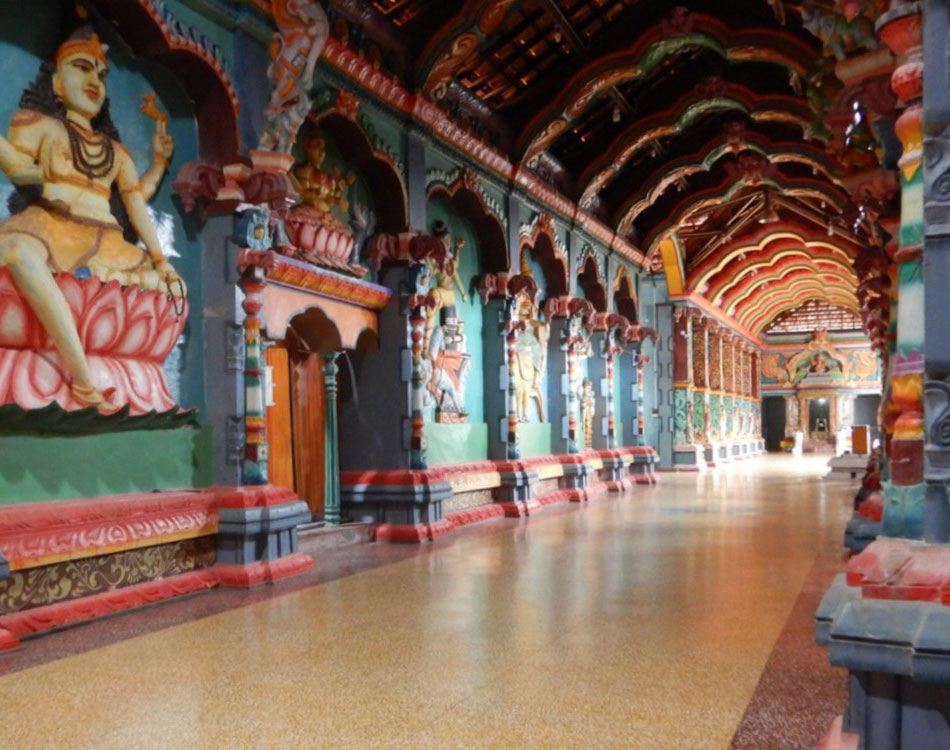
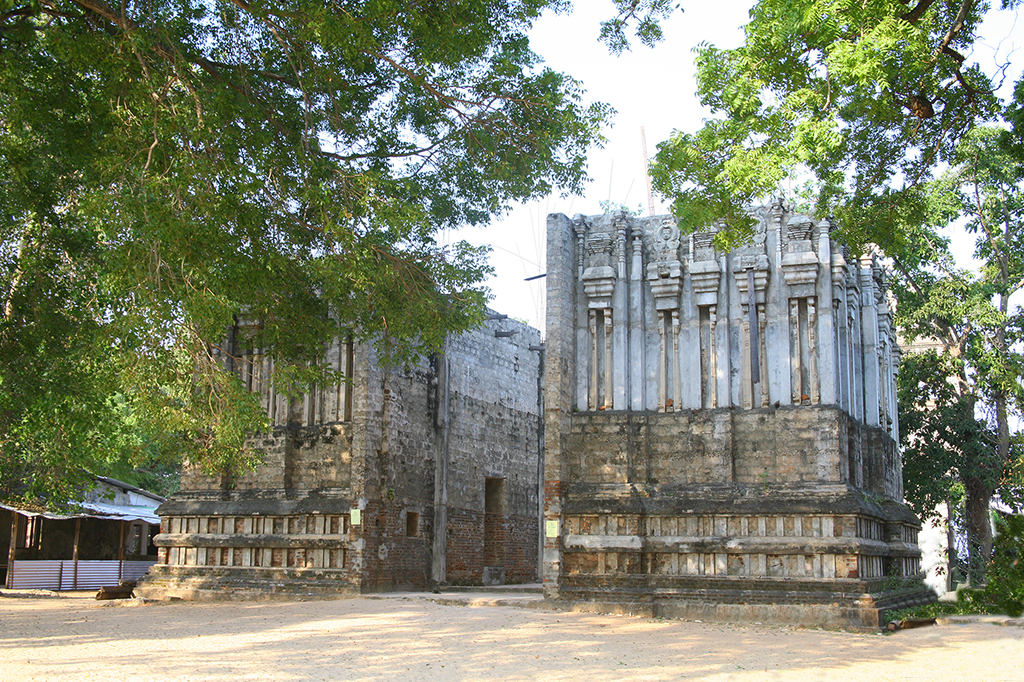
Throughout its enduring history, Naguleswaram weathered dramatic upheavals, including extensive destruction by Portuguese conquistadors in the early 17th century and severe damage during modern conflict. Revived in the late 19th century under the guidance of famed Hindu scholar-reformer Arumuka Navalar and systematically reconstructed in recent decades, the temple today shines with magnificent Dravidian architectural splendor. Its soaring gopurams (gateway towers) are adorned with intricate polychrome sculptures depicting divine legends, while the inner sanctum houses the sacred Shiva Lingam and the shrine of Goddess Thiruvambalavani (Parvati).
Visiting Naguleswaram is a profoundly moving spiritual experience that awakens every sense. The resonant tolling of temple bells, rhythmic cadence of thavil drums, and soulful melodies of the nadaswaram interweave with aromatic clouds of burning camphor and incense. Located just footsteps from the ocean and the healing waters of Keerimalai Sacred Spring, Naguleswaram offers travelers and pilgrims a rare glimpse into the timeless devotional pulse of northern Sri Lanka.
What to expect
Highlights
- Worship at one of Sri Lanka's five venerated Pancha Ishwarams dedicated to Lord Shiva, rooted in millennia of ancient lore.
- Admire the ornate, multicolored Dravidian gopuram adorned with sculpted deities, celestial maidens, and sacred Nandi bulls.
- Experience the vibrant agamic daily puja ceremonies accompanied by resonant thavil drumming and classical nadaswaram pipes.
- Discover the legends of Sage Nagula Muni and Princess Maruthapura Veeravalli that gave Keerimalai its name and fame.
- Walk directly over to the adjacent oceanfront Keerimalai Sacred Spring for a refreshing dip in mineral-rich freshwater pools.
- Take in peaceful coastal vistas of traditional fishing boats gliding across the calm turquoise waters of the Palk Strait.
Traveler reviews
Ratings and experiences from visitors
No traveler reviews written yet for Naguleswaram Temple.
Traveler photos
Photos of this destination
Questions & answers
What is the dress code or entrance etiquette?
Modest attire is strictly enforced. Male visitors and devotees must remove their shirts to enter bare-chested, wearing long trousers or a traditional dhoti (veshti). Female visitors must cover their shoulders and knees in modest attire such as sarees, salwar kameez, or long skirts. All footwear must be removed outside.
What is the entry ticket fee for foreigners and locals?
Admission to Naguleswaram Temple is completely free for all international visitors and local devotees, though voluntary donations placed into temple tills are gratefully appreciated.
How long does a typical visit take?
A typical visit lasts between 45 minutes to 1.5 hours, providing adequate time to observe the puja rituals, explore the temple courtyards, and visit the neighboring Keerimalai springs.
Are cameras and photography permitted?
Photography of the exterior entrance gopuram and outer temple grounds is generally permitted. However, cameras, video recording, and mobile phone usage are strictly prohibited inside the inner sanctum and shrine rooms.
Can non-Hindus enter the temple?
Yes, visitors of all religious backgrounds and nationalities are warmly welcomed to enter and observe ceremonies, provided they follow the mandatory dress code, remove footwear, and maintain respectful decorum.