Delft Island
 Hidden Gems


About Delft Island
A remote, windswept island in the Palk Strait famous for roaming wild ponies, coral-stone walls, ancient baobab trees, and Dutch colonial ruins.
Situated roughly 30 kilometers off the western coast of the Jaffna Peninsula in the azure waters of the Palk Strait, Delft Island (locally known by its Tamil name, Neduntheevu) is one of Sri Lanka's most remote, enigmatic, and windswept inhabited outposts. Named after the historic Dutch city of Delft by Governor Rijckloff van Goens in the 17th century, the island is layered with multi-era heritage spanning ancient Chola dynasty seafaring, Portuguese fortifications, and Dutch and British colonial administrations. The landscape is instantly recognizable by its vast open plains, shimmering salt marshes, palmyra palm groves, and traditional village compounds bordered by dry-stacked coral-stone fences.
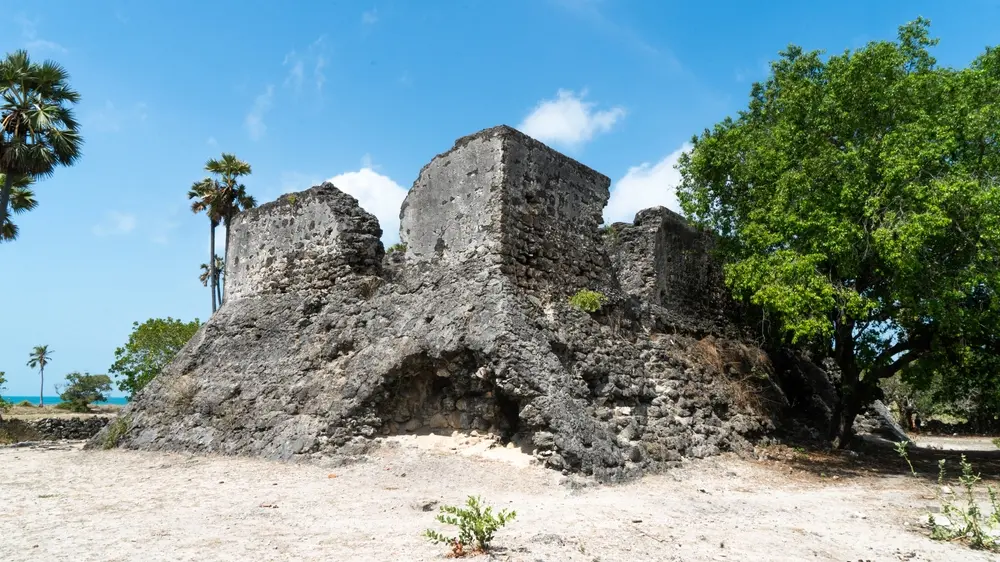
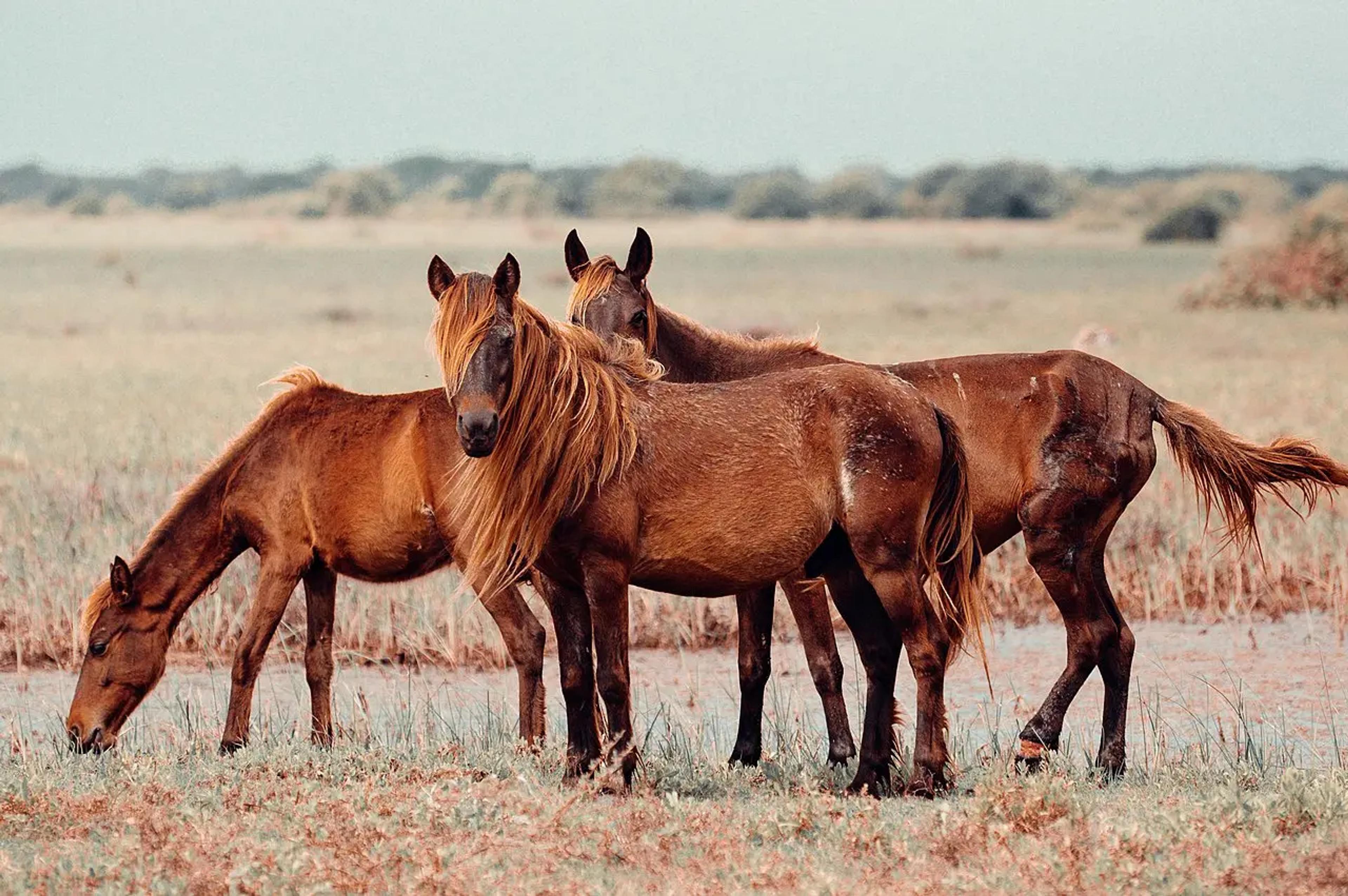
Delft's most celebrated inhabitants are its wild feral ponies—living relics descended from Arab and European warhorses introduced by the Portuguese in the 1600s and subsequently bred by the Dutch and British for military mounts and regional trade. Today, hundreds of these protected ponies roam freely across the windswept pastures. Traversing the island's sandy trails in a hired tuk-tuk or open-back safari lorry reveals an extraordinary array of historical oddities, including the sturdy coral-and-limestone ruins of a two-storey Portuguese fort, a 55-foot colonial navigation beacon known as the Queen's Tower, an intact 18th-century Dutch dovecot for carrier pigeons, and a colossal hollow baobab tree planted centuries ago by Arab merchants.
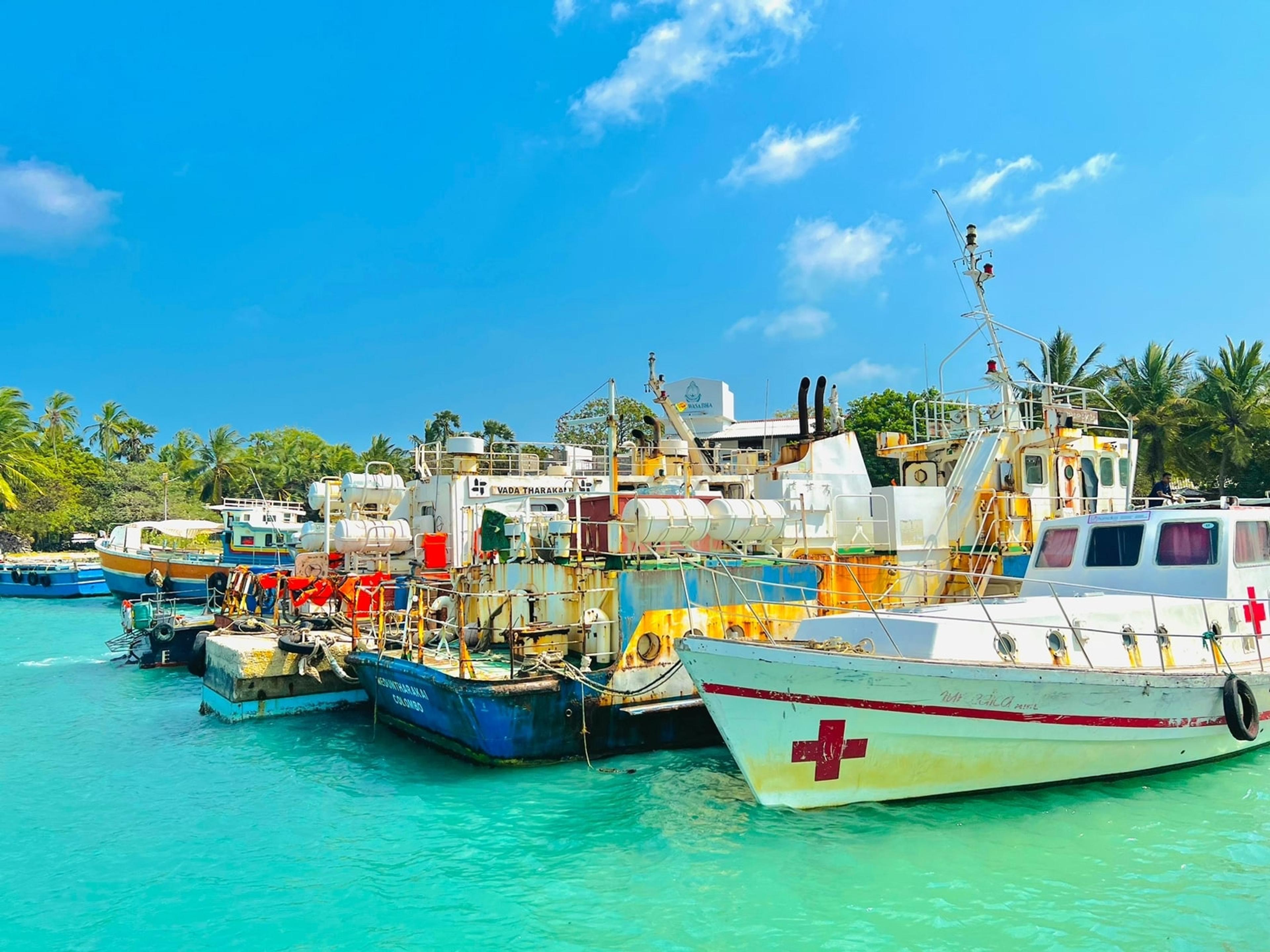
A journey to Delft offers a profound sense of adventure that begins with a scenic, breezy ferry crossing across open ocean waters from Kurikadduwan (KKD) Jetty. On the island, life unfolds at an unhurried, time-honored tempo among a warm community of local fishermen and palmyra artisans. Visitors can wander past the sacred 'growing stone' revered by local Hindu devotees, stroll along pristine, uncrowded coral beaches, and savor a simple, authentic home-cooked northern meal featuring island seafood before the afternoon return ferry, making Delft an unforgettable expedition into living maritime history.
What to expect
Highlights
- Spot herds of wild feral ponies roaming freely across windswept coastal plains and salt marshes, descendants of 17th-century colonial stock.
- Explore the evocative coral-stone ruins of the Portuguese-Dutch Fort and nearby colonial garrison administrative compounds.
- Marvel at the giant hollow Baobab tree, an African botanical wonder planted by Arab merchants over five centuries ago.
- Inspect the remarkably preserved Dutch Pigeon Cote (Dovecot) that once housed carrier pigeons used for maritime communications with Jaffna.
- Visit the 55-foot Queen's Tower (Quindah Tower), an ingenious colonial navigation beacon designed with a natural airflow shaft.
- Wander among the labyrinth of rustic dry-stone walls made of stacked ocean coral that encircle traditional village homes and palmyra gardens.
Traveler reviews
Ratings and experiences from visitors
No traveler reviews written yet for Delft Island.
Traveler photos
Photos of this destination
Questions & answers
What is the dress code or entrance etiquette?
Lightweight, breathable cotton clothing and sturdy walking shoes or sandals are recommended due to the warm, arid climate and sandy ground. Modest dress covering shoulders and knees is appreciated when visiting local village shrines and temple areas.
What is the entry ticket fee for foreigners and locals?
Access to Delft Island and all historical landmarks is completely free. The public passenger ferry operated between Kurikadduwan Jetty and Delft is typically free or charges a nominal transit fee of around 100 LKR per person each way.
How long does a typical visit take and how do you get around?
A typical day trip takes about 5 to 6 hours on the island (arriving on the morning ferry around 9:30 AM and departing on the return ferry around 2:30 PM to 3:00 PM). Getting around is best done by hiring a local tuk-tuk or shared open-back lorry at the jetty.
Are cameras and photography permitted?
Yes, photography is warmly welcomed across all outdoor ruins, pony grazing grounds, and coastal landscapes. Always ask permission before photographing local islanders or private homesteads.
What facilities and dining options are available on the island?
Delft has limited commercial infrastructure, but a few local community guesthouses near the jetty prepare delicious, authentic home-cooked rice and curry (especially fresh island crab and fish). It is wise to order your lunch upon arrival at the jetty before starting your island tour.

