Dowa Rock Temple
 Religious Places

About Dowa Rock Temple
An ancient 1st-century BC cave monastery featuring a colossal 38-foot unfinished rock-cut Buddha statue and vibrant Kandyan murals.
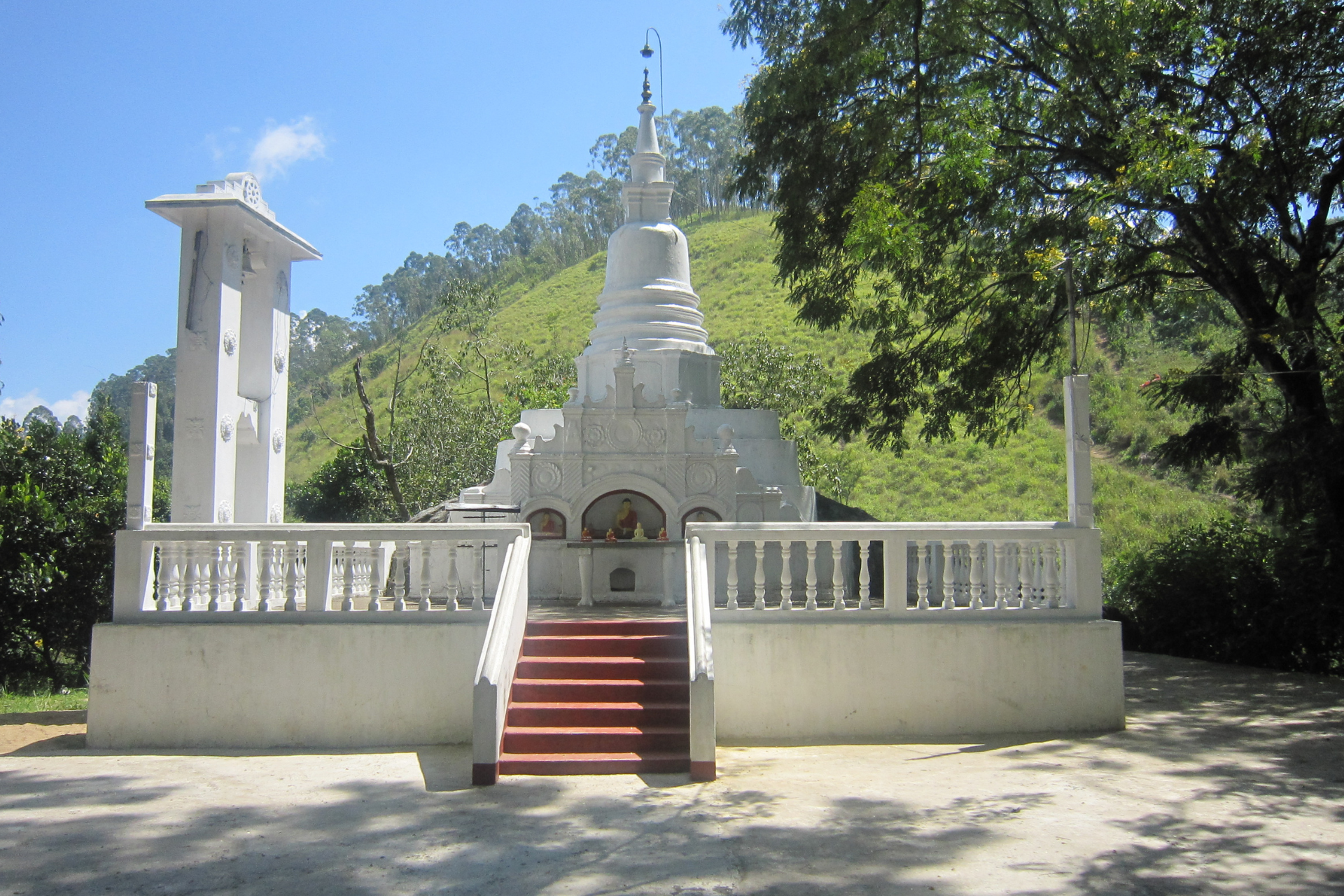
Tucked inside a tranquil wooded valley along the Badulla–Bandarawela highway, Dowa Rock Temple (Dhowa Raja Maha Vihara) is an ancient rock sanctuary steeped in over two thousand years of monastic history. The temple's heritage traces back to the 1st century BC during the reign of King Valagamba (Vattagamani Abhaya), who sought refuge in the surrounding mountain caverns while in exile from foreign South Indian invaders. Designated as a protected archaeological reserve, the complex combines monumental stone sculpting with secluded subterranean monastic architecture.
The most striking landmark of the hermitage is an imposing 38-foot (11.5-meter) standing Buddha statue carved in high relief directly into a towering sheer cliff of dark granite. Modeled in the Abhaya Mudra (gesture of fearlessness), the colossal figure remains poignantly unfinished, with folklore recounting that the sculptor had to abandon his work overnight when the monarch fled sudden enemy advances. Within the natural rock cave shelter beside the monolith lies an atmospheric image house adorned with vibrant Kandyan-era tempera frescoes, ornate Makara Thorana (dragon arches), a large reclining Buddha statue, and ceiling paintings depicting cosmological constellations and guardian serpents.
Adding to Dowa's enduring mystique is the legendary subterranean tunnel mouth located deep within the rear cavern wall. Known in local folklore as the Ravana Guhava, this subterranean tunnel network is reputed to have connected Dowa with the Bogoda Wooden Bridge, Ravana Ella, and distant hill country hideaways to provide royal escape corridors during military sieges. Shaded by ancient bo trees and surrounded by the gentle rush of a mountain stream, visiting Dowa delivers a quiet, off-the-beaten-path pilgrimage into Ceylon's classical rock-shelter heritage.
What to expect
Highlights
- The colossal 38-foot (11.5-meter) unfinished standing Buddha relief sculpted directly into a granite cliff
- Ancient rock-cave image house preserving vibrant Kandyan-era tempera murals and lotus-painted ceilings
- A grand reclining Buddha statue sheltered within the dim, atmospheric natural cavern sanctuary
- The legendary sealed entrance to King Valagamba's secret subterranean escape tunnel network
- The ornate Makara Thorana (Dragon Arch) entrance gate adorned with mythical guardian deities
- Tranquil riverbed setting framed by towering bamboo, flowering temple trees, and lush Uva hill slopes
Traveler reviews
Ratings and experiences from visitors
No traveler reviews written yet for Dowa Rock Temple.
Traveler photos
Photos of this destination
Questions & answers
What is the dress code or entrance etiquette?
Because Dowa is an active Buddhist monastery and sacred shrine, visitors must dress respectfully with both shoulders and knees fully covered. Footwear and headwear must be removed and left at the entrance shoe stand before stepping onto sacred ground.
What is the entry ticket fee for foreign and local visitors?
Admission to Dowa Rock Temple is completely free for both foreign travelers and Sri Lankan citizens. Visitors can make voluntary donations into the temple maintenance boxes to support archaeological upkeep.
How long does a typical visit take?
A standard visit lasts between 45 and 60 minutes, which provides ample time to examine the 38-foot rock carving, explore the painted cave shrine room, and inspect the historic tunnel entrance.
Are cameras and photography permitted?
Outdoor photography of the giant cliff carving and monastery grounds is permitted. However, flash photography is strictly banned inside the painted cave rooms to protect the historic murals, and turning your back toward any Buddha statue for photos is prohibited.
How do you reach Dowa Rock Temple from Bandarawela or Ella?
The temple is conveniently located on the main Badulla–Bandarawela highway (A16), roughly 6 kilometers from Bandarawela town and 11 kilometers from Ella. It is easily accessible via a 15- to 20-minute tuk-tuk or bus ride from either town.