Mihintale
 Religious Places



About Mihintale
Climb the sacred hill where Buddhist tradition places the meeting of Arahat Mahinda and King Devanampiyatissa.
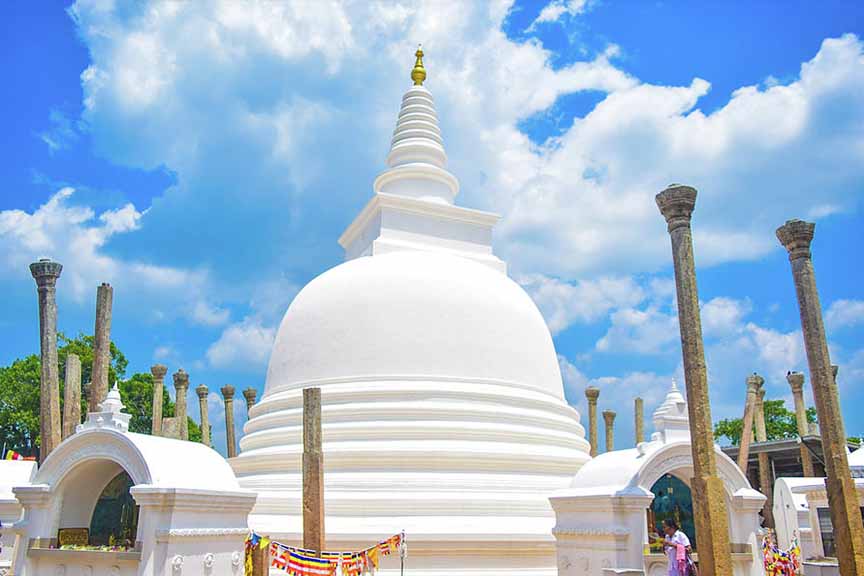
Mihintale is a sacred hill and ancient monastic complex near Anuradhapura, revered as the place where Buddhism was introduced to Sri Lanka. According to the island's chronicles, Arahat Mahinda met King Devanampiyatissa here during the Poson full moon and shared the Buddha's teachings, beginning a lasting Buddhist tradition.
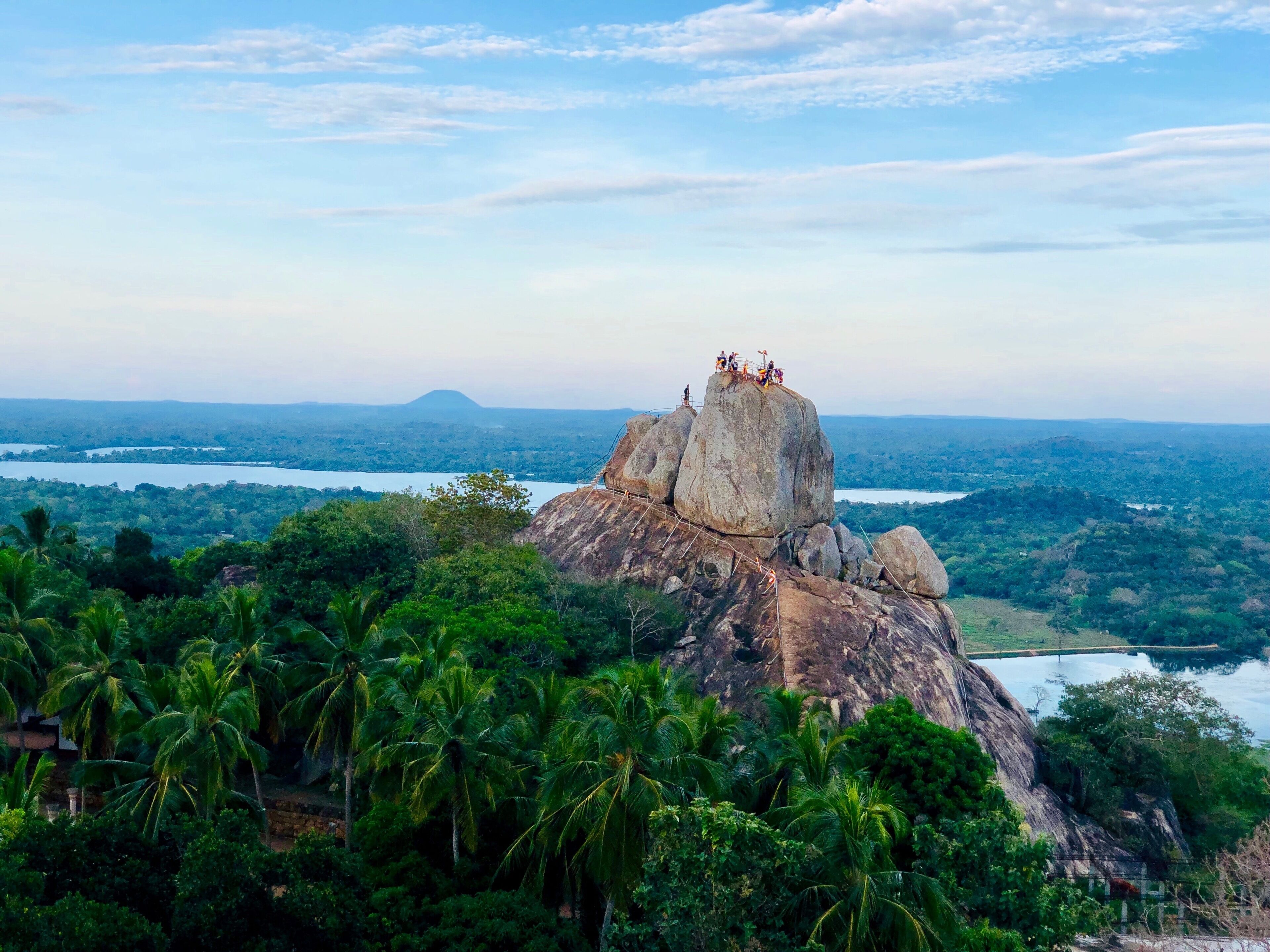
The complex spreads across forested slopes and terraces connected by long stone stairways. Visitors can explore the Mihintale Maha Seya, Ambasthala Dagoba, Kantaka Cetiya, ancient hospital remains, caves and lookout points, while the summit reveals broad views over the dry-zone landscape.
Mihintale is both a pilgrimage destination and a rewarding archaeological walk. The climb involves many steps and exposed stone, so begin early, carry water and allow time for rest. The June Poson season is especially significant, but ordinary weekdays provide more space for a quiet visit and closer appreciation of the monuments.
What to expect
Highlights
- Mihintale Maha Seya on the sacred hill
- Ambasthala Dagoba and the traditional meeting site
- Long stone stairways through forested slopes
- Kantaka Cetiya and ancient monastic ruins
- Historic cave dwellings and hospital remains
- Panoramic views across Anuradhapura's dry zone
Traveler reviews
Ratings and experiences from visitors
No traveler reviews written yet for Mihintale.
Traveler photos
Photos of this destination
Questions & answers
What should I wear and how should I behave at Mihintale?
Cover your shoulders and knees, remove shoes and hats at sacred areas, speak quietly, and never touch monuments or pose disrespectfully near Buddha images.
What are the entry fees for foreign and local visitors?
Foreign visitors are commonly charged approximately LKR 1,000 for the archaeological zone. Sri Lankan visitors generally enter free or pay a local rate. Fees and arrangements can change.
How long does a visit to Mihintale take?
Allow two to four hours for the main stairways, stupas, ruins, viewpoints and rest stops. A quicker visit can cover the principal shrines in about 90 minutes.
Is Mihintale difficult to climb?
The complex includes many stone steps and exposed slopes, so the climb is moderate and can be strenuous in heat. Start early, carry water and take breaks.
Can visitors take photographs?
Photography is generally allowed, but be respectful around worshippers and shrines. Ask before photographing people and do not turn your back toward Buddha statues for posed photos.