Jaya Sri Maha Bodhi
 Religious Places

About Jaya Sri Maha Bodhi
Visit one of the world's oldest living human-planted trees, a revered Buddhist pilgrimage site in Anuradhapura's sacred city.
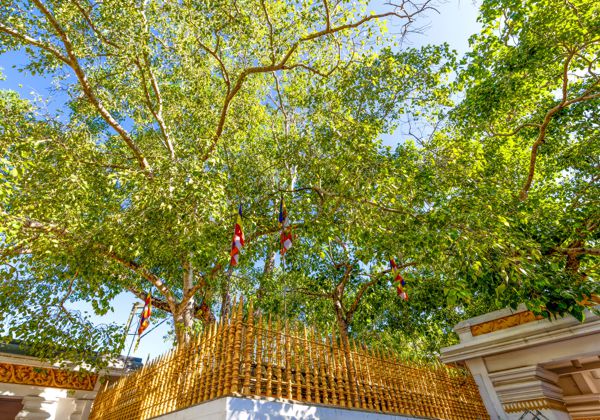
Jaya Sri Maha Bodhi is a sacred Ficus religiosa tree in Mahamewuna Garden, Anuradhapura. Buddhist tradition holds that it grew from a southern branch of the Bodhi tree at Bodh Gaya, where Siddhartha Gautama attained enlightenment. The cutting was brought to Sri Lanka by Buddhist nun Sangamitta Maha Theri and planted during the reign of King Devanampiya Tissa in the third century BCE.
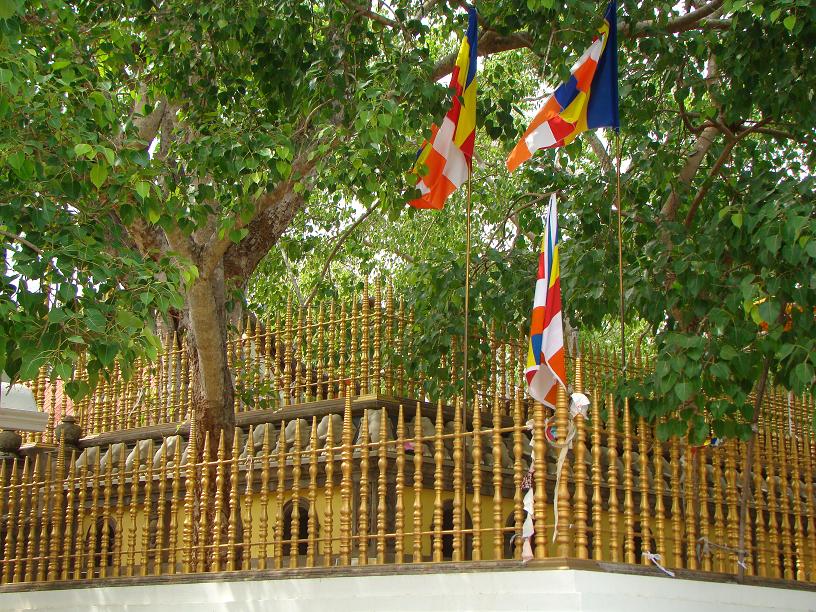
The tree stands on a protected terrace surrounded by golden railings, companion Bodhi trees, shrines and an active community of pilgrims. Visitors approach through the sacred gardens, remove their footwear and observe devotees offering flowers, incense and oil lamps in a calm but deeply religious setting.
A visit is best treated as a pilgrimage experience rather than a quick photo stop. Walk quietly, follow the site's directions, keep clear of worshippers and allow time to appreciate the tree's long connection with Sri Lankan Buddhist history. Ruwanwelisaya and other sacred-city monuments are nearby for a fuller Anuradhapura itinerary.
What to expect
Highlights
- The ancient Jaya Sri Maha Bodhi sacred fig tree
- Golden railings protecting the revered tree
- Mahamewuna Garden and the sacred-city setting
- Pilgrims presenting lotus flowers and incense
- Quiet paths leading from the designated car park
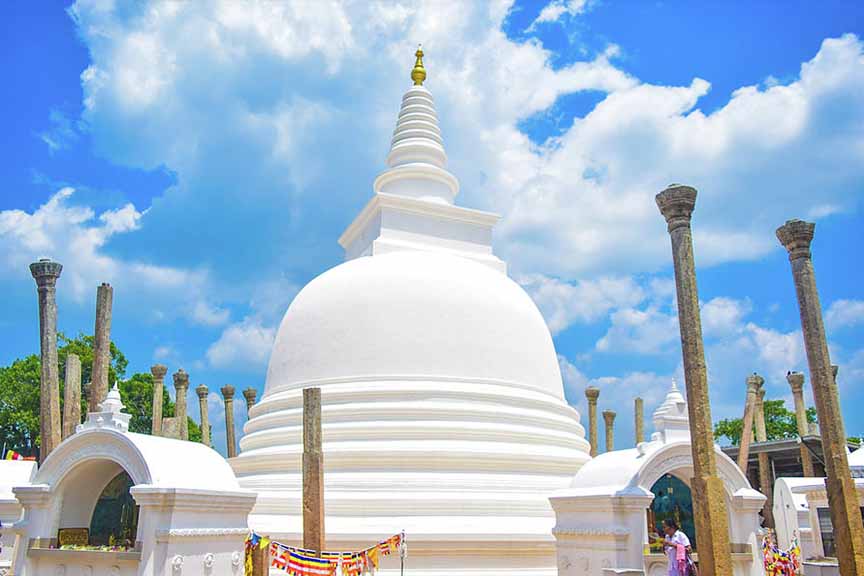
- Nearby Ruwanwelisaya and other Anuradhapura monuments
Traveler reviews
Ratings and experiences from visitors
No traveler reviews written yet for Jaya Sri Maha Bodhi.
Traveler photos
Photos of this destination
Questions & answers
What should I wear and how should I behave at Jaya Sri Maha Bodhi?
Cover your shoulders and knees, remove shoes and hats, keep quiet, avoid touching the tree and do not obstruct pilgrims or point your feet at sacred objects.
Is there an entry fee for foreign and local visitors?
There is generally no separate admission fee at the shrine for local or foreign visitors, although donations are welcome. Other archaeological attractions in the wider Sacred City may require a heritage ticket.
How long does a visit usually take?
Allow about 45 to 90 minutes, including the walk from the parking area, the shoe counter, the tree terrace and time to observe the surrounding shrines.
Can visitors take photographs?
Outdoor photography is generally permitted, but be discreet. Ask permission before photographing people, avoid flash near worshippers and never touch the tree or remove leaves.
When is the best time to visit?
Early morning or late afternoon is cooler and calmer. Weekdays outside monthly Poya full moon days are usually less crowded, while Poya days can be very busy with pilgrims.