Nuwara Eliya Tea Estates
 Mountains
About Nuwara Eliya Tea Estates
Lush emerald-green plantations producing world-famous Ceylon tea amidst the cool, misty mountains of Sri Lanka's Little England.
Blanketing the rolling hills of Sri Lanka's central highlands at elevations exceeding 1,800 meters, the Nuwara Eliya Tea Estates represent the beating heart of the nation's world-famous Ceylon tea industry. Introduced during British colonial rule in the 19th century following the collapse of the island's coffee trade, these verdant terraces flourish in a cool, misty microclimate characterized by crisp mountain air, rich soils, and frequent highland rainfall. The surrounding countryside, affectionately nicknamed 'Little England', remains dotted with gabled colonial planters' bungalows, manicured gardens, and iconic multi-storey tea factories that have processed world-class orthodox black tea for well over a century.
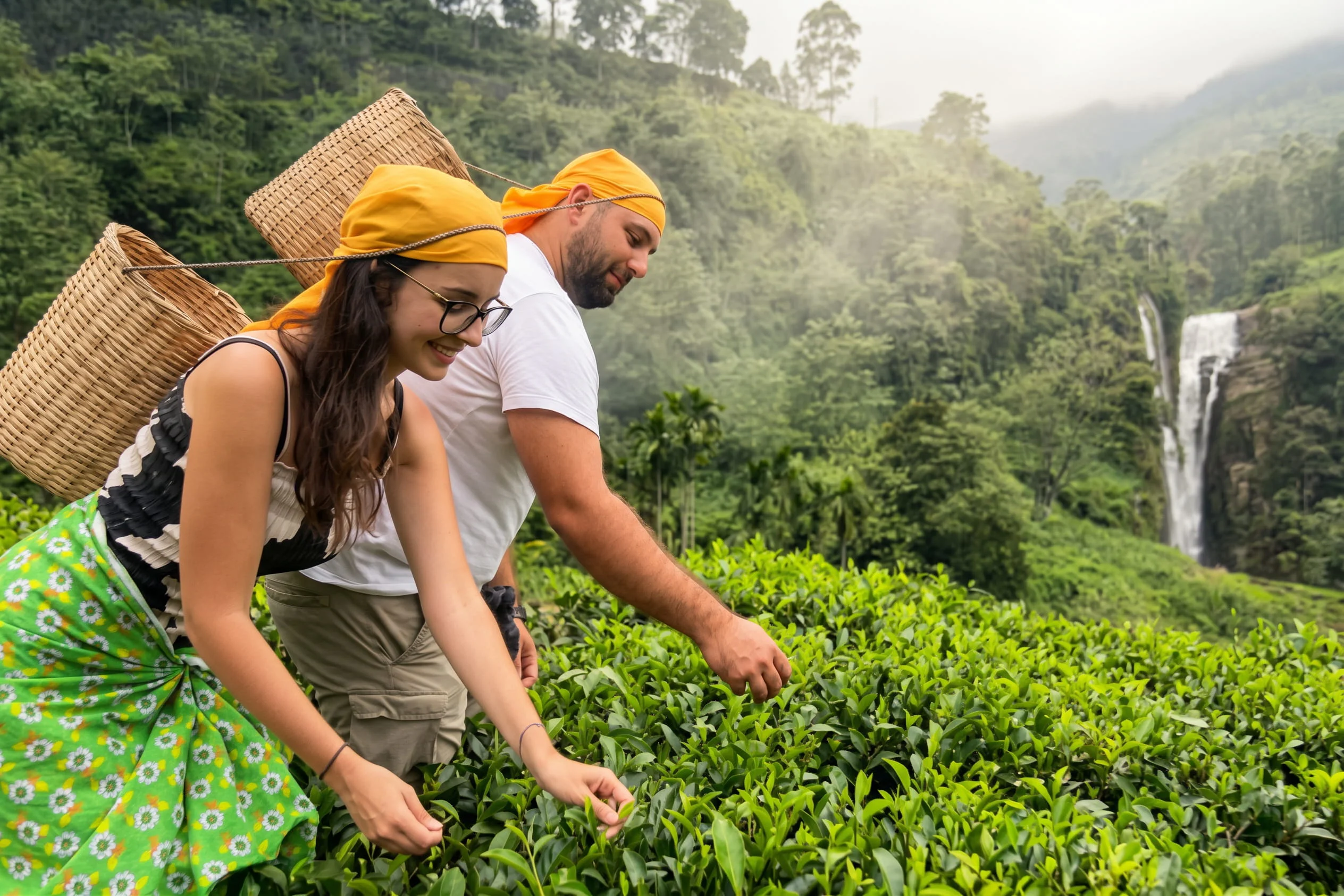
A journey through estates such as Pedro, Damro Labookellie, and Bluefield offers a deeply immersive agro-tourism experience. Visitors can wander alongside terraced hillside contours where skilled pluckers deftly handpick 'two leaves and a bud' into woven wicker baskets. Inside the functioning heritage factories, guided tours lead guests through the traditional seven-step tea manufacturing process: withering, rolling, fermenting, firing, sorting, grading, and packing. The sensory expedition concludes in scenic estate tea lounges overlooking panoramic ravines, where travelers can sample delicate light-liquor Pekoe, Orange Pekoe, and Golden Tips straight from the source.
Beyond tea culture, the sprawling estates provide some of the most dramatic mountain panoramas on the island. Misty valleys, cascading waterfalls like Lovers Leap, and winding mountain passes create an idyllic retreat from the tropical lowlands. Whether you are an avid landscape photographer capturing morning light breaking across emerald slopes, a history buff tracing colonial agricultural heritage, or a connoisseur savoring artisanal brews, Nuwara Eliya's tea estates offer an iconic and timeless Sri Lankan experience.
What to expect
Highlights
- Historic colonial-era operational factories including Pedro Tea Estate (founded in 1885) and Damro Labookellie
- Guided step-by-step factory tours detailing withering, rolling, oxidation, drying, and grading machinery
- Verdant undulating hillsides lined with manicured tea bushes and working tea pluckers in traditional attire
- Scenic tasting lounges perched over terraced valleys serving artisanal Orange Pekoe and specialty white teas
- Proximity to mountain landmarks including Lovers Leap Waterfall, Ramboda Falls, and Pidurutalagala forest reserve
- Panoramic highland scenic drives featuring hairpin bends, morning cloud inversions, and fresh mountain breezes
Traveler reviews
Ratings and experiences from visitors
No traveler reviews written yet for Nuwara Eliya Tea Estates.
Traveler photos
Photos of this destination
Questions & answers
What is the dress code and recommended footwear for visiting tea estates?
There is no formal religious dress code, but casual, warm layered clothing is highly recommended as highland mornings and evenings are brisk. Sturdy sneakers or hiking shoes with good traction are essential for navigating uneven dirt paths and factory stairs.
What is the entry ticket fee for estate visits and factory tours?
Wandering around roadside viewpoints and open public paths is free. Guided factory tours and tea tastings at popular estates like Pedro or Damro generally range between LKR 500 and LKR 1,000 (approx. USD 2 to 4) per person.
How long does a typical tea estate and factory visit take?
A standard visit lasts between 1.5 and 2.5 hours, which includes a 30- to 45-minute guided factory walk-through, an estate tea tasting session, and time for strolling through the plantation terraces and gift shop.
Are cameras and photography permitted inside the tea estates and factories?
Photography and videography are freely permitted outdoors across the plantations. However, photography is usually prohibited inside the active processing rooms of the factory to safeguard proprietary processing setups and worker safety.
When is the optimal time of day to witness factory work and tea plucking?
Early mornings between 8:30 AM and 11:30 AM are best, as plucking teams are most active across the hillside slopes and morning tea leaves are delivered to the factory floors for processing before the midday break.


