Batticaloa Fort
 Historical

About Batticaloa Fort
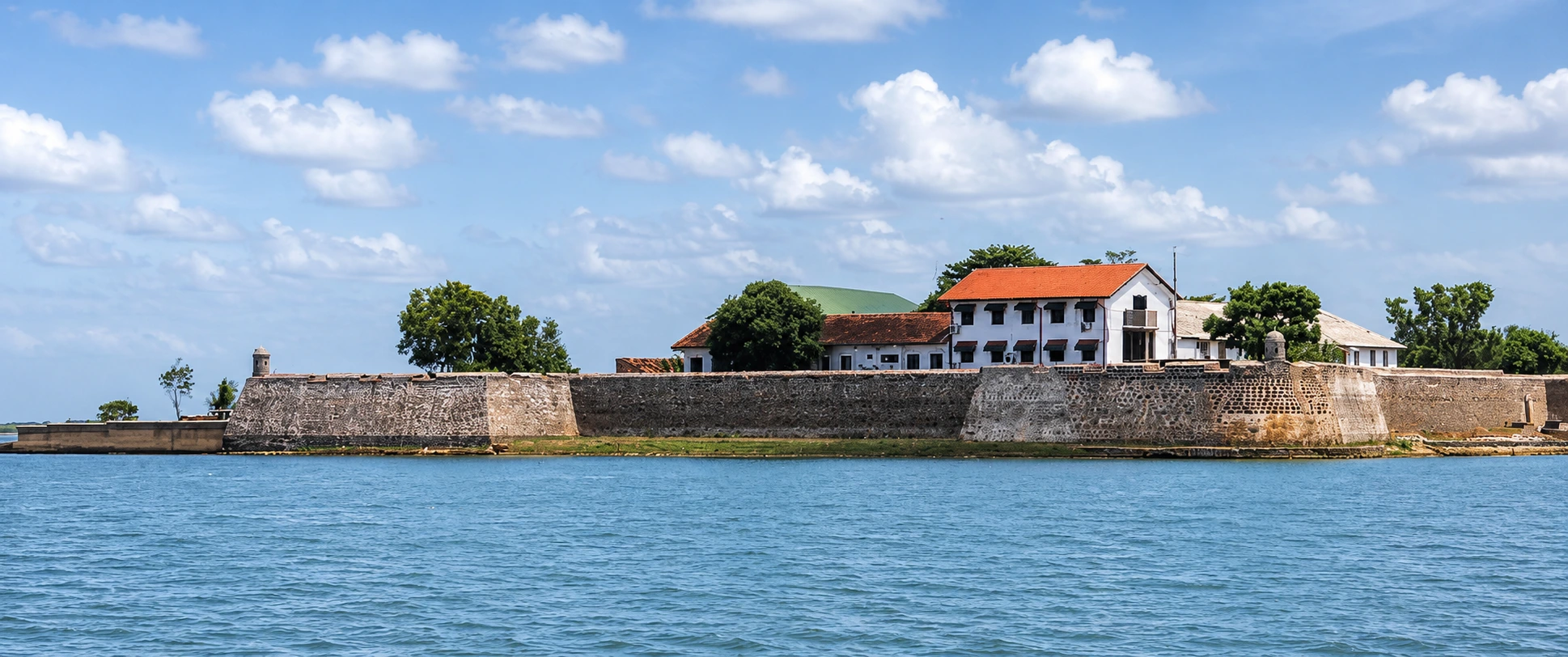
A historic 17th-century island fort in Batticaloa surrounded by a tranquil lagoon, featuring Dutch bastions and colonial administration relics.
Constructed in 1628 by the Portuguese under the command of Constantino de Sá de Noronha, Batticaloa Fort stands as an enduring maritime stronghold on the tranquil island of Puliyanthivu in Sri Lanka's Eastern Province. Occupying a vital tactical position guarding the entrance to Batticaloa Lagoon, the fort holds historical significance as the very first Portuguese bastion to fall to the Dutch East India Company (VOC) on May 18, 1638, following the strategic alliance forged between Admiral Adam Westerwolt and King Rajasinghe II of Kandy. Following its capture, the Dutch dismantled the primitive earth-and-timber stockade and rebuilt it into a reinforced stone square fortress fortified with four sturdy corner bastions.
Throughout subsequent centuries, the citadel evolved from a fortified military garrison into a center of regional civil governance. Ceded to British colonial forces in 1795, the interior grounds were adapted to accommodate administrative offices and courtrooms—a heritage that persists today, as the fort houses the Batticaloa District Secretariat and several local government departments alongside a modest heritage museum. The ramparts, built from dense granite boulders, coral stones, and lime mortar, are bordered on two sides by the wide, serene expanse of the lagoon and on the landward sides by a defensive moat shaded by ancient banyan and neem trees.
Visiting Batticaloa Fort offers a peaceful, unhurried journey through layered colonial history. Travelers can walk along the elevated ramparts to admire antique British iron cannons, inspect preserved Dutch stone archways and bell towers, and enjoy breathtaking 360-degree vistas across the sparkling lagoon where local fishing outriggers drift in the breeze. As late afternoon approaches, the fortress walls provide an ideal vantage point to watch the golden sunset reflect over the calm tidal waters, making it an essential cultural landmark when exploring the eastern seaboard.
What to expect
Highlights
- Walk along the thick 17th-century coral-and-granite ramparts overlooking the calm waters of Batticaloa Lagoon.
- Explore the four historic corner bastions engineered by Dutch military architects to defend against naval sieges.
- Inspect antique British colonial cannons, sally ports, and the historic fortress bell tower.
- Visit the small onsite heritage museum showcasing regional historical artifacts, maps, and colonial administrative records.
- Capture magnificent golden-hour photographs of traditional fishing boats and sunsets over Puliyanthivu island.
Traveler reviews
Ratings and experiences from visitors
No traveler reviews written yet for Batticaloa Fort.
Traveler photos
Photos of this destination
Questions & answers
What is the dress code or entrance etiquette?
Smart-casual, modest attire covering shoulders and knees is recommended. Because the fort houses active district government offices, respectful clothing and quiet behavior in office corridors are expected.
What is the entry ticket fee for foreigners and locals?
Access to walk around Batticaloa Fort, its ramparts, and the public grounds is 100% free of charge for both international travelers and Sri Lankan citizens.
How long does a typical visit take?
A typical visit takes between 45 minutes to 1.5 hours, providing plenty of time to walk the ramparts, view the cannons, inspect the bastions, and photograph the lagoon.
Are cameras and photography permitted?
Yes, photography of the historic bastions, cannons, ramparts, and lagoon panoramas is warmly permitted. Visitors should avoid photographing active government office interiors or staff working at their desks.
Can you walk completely around the fortress ramparts?
Yes, stone steps lead visitors up to the perimeter wall, where you can walk along the bastions and elevated parapets while taking in panoramic views of the water.

